Golf clubs are being asked to deliver more than ever before, as members and guests look for great service, more flexibility and reasons to visit beyond their round. So what does it take to meet those expectations, and what can golf learn from other industries?
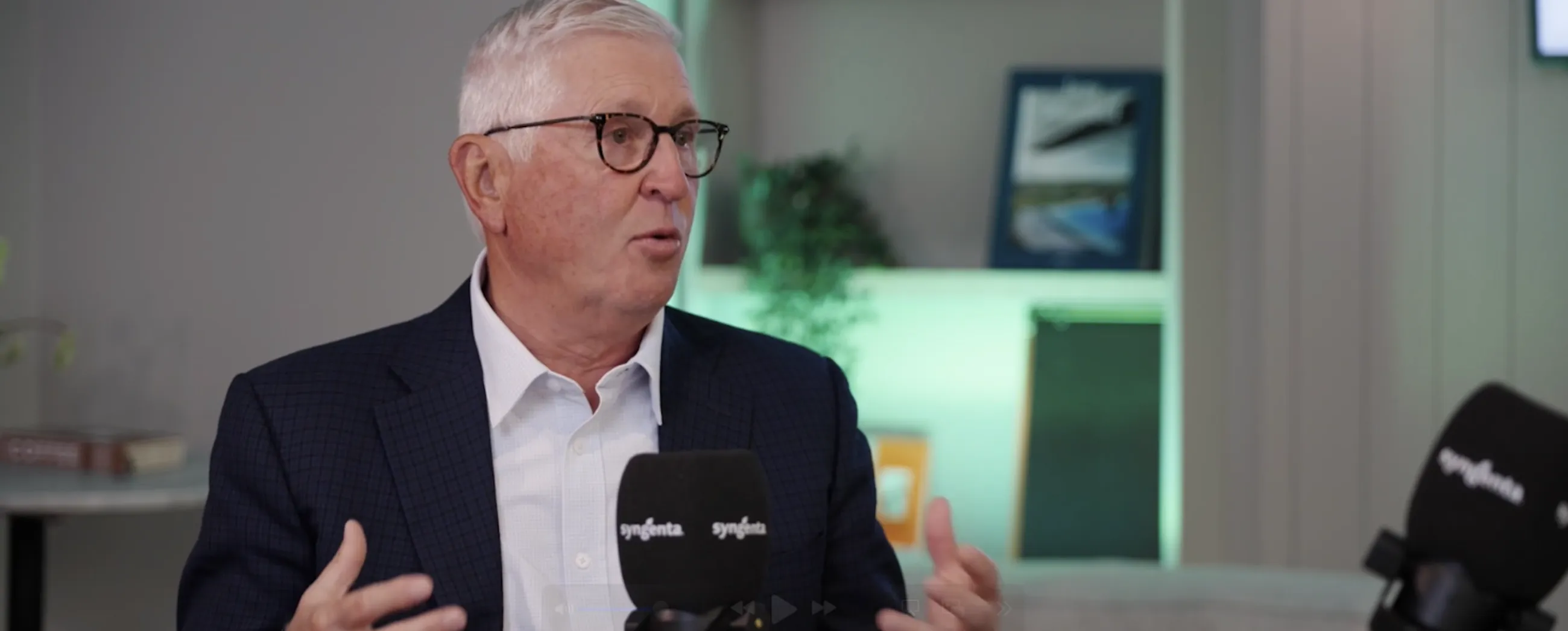
In this new episode of Syngenta Golf’s Changing the Business of Golf podcast, host Gary Firkins speaks to Bob Morse, President and Chief Operating Officer of Invited, one of the world’s largest owners and operators of private golf and country clubs. Bob shares three changes for the business of golf: make golf more accessible and more fun, embrace automation in golf course maintenance, and provide flexibility in how the course is played.
Listen on Spotify: Changing the Business of Golf with Invited’s Bob Morse
Listen on Apple Podcasts: Changing the Business of Golf with Invited’s Bob Morse
Who is Bob Morse?
Bob Morse is President and Chief Operating Officer of Invited. He has spent more than 40 years in hospitality, private equity and entertainment, including executive roles at Sheraton, InterContinental Hotels and Caesars Entertainment. A passionate golfer long before he entered the golf business, he sees clubs through a golfer’s eyes as well as an operator’s.
What are Bob Morse’s three changes for the business of golf?
1. Make golf more accessible and more fun
“When the greens are running great, the burger always tastes better”
Bob believes golf clubs are in the hospitality business as much as the golf business. Great dining, personal service and year-round programming make clubs more enjoyable and keep members coming back.
The best operators measure success by membership retention and member spending, not just a full tee sheet. They also track why members leave, so they can act to keep them.
2. Embrace automation in golf course maintenance
With labour shortages and rising costs, autonomous technology is changing how golf courses are maintained.
Bob explains what clubs should consider before investing, from the business case to the infrastructure needed, and why automation works best alongside precision data from in-ground soil sensors and weather stations.
Tools such as Syngenta’s GreenCast Connect platform brings this data together in one place, combining real-time readings from Spiio soil sensors with on-course weather data.
3. Provide flexibility in how the course is played
“Giving people the opportunity to play more and giving them access to the golf course creates these communities inside the club itself.”
Numbered tees, 6-, 9- and 12-hole rounds and on-course sessions with golf professionals can remove the barriers that keep many golfers away.
By making golf easier to fit into busy lives, clubs can attract and retain more new golfers, including women and their families, a $35 billion opportunity identified by Syngenta’s own research.
Key takeaways for golf course businesses
- Measure club success by membership retention and member spend, not tee sheet occupancy alone.
- Treat food, beverage and personal service as central to the member experience.
- Test automated maintenance equipment carefully, weighing the investment against labour savings and payback.
- Combine automation with precision turf data to support better agronomic decisions.
- Replace colour-coded or gendered tees with numbered tees to remove barriers to play.
- Offer 6-, 9- and 12-hole formats and social events for golfers with limited time.
Useful links:
- Connect with Bob Morse
- Syngenta Market Research: The Global Economic Value of Increased Female Participation in Golf
- Changing the Business of Golf podcast
Don't forget to subscribe to Syngenta Golf's YouTube channel for more inspiring stories and industry insights!
Thank you for tuning in to the Changing the Business of Golf Podcast. Stay tuned for our next episode where we continue to explore the people, stories and strategies that are shaping the future of golf.


