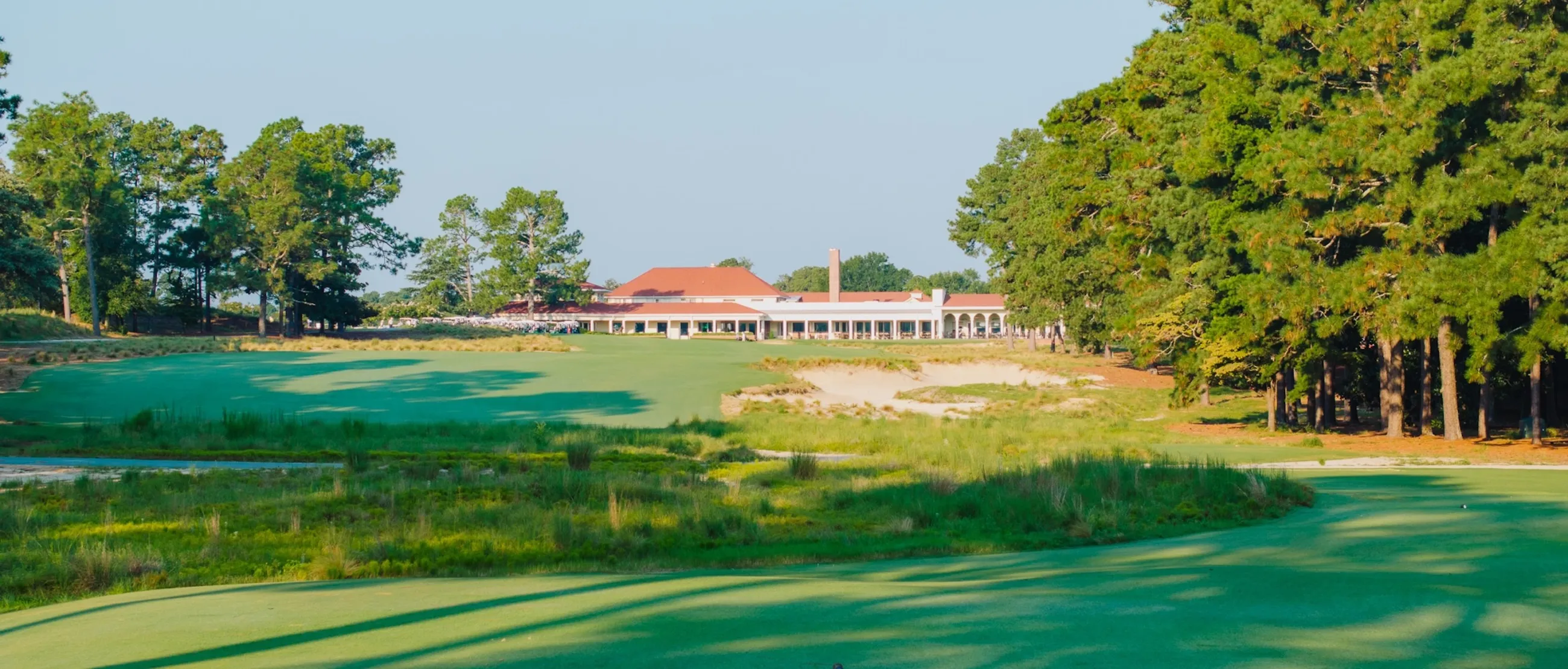
In the latest episode of The Green Report, Gary Firkins joins Course Superintendent John Jeffreys and Danesha Seth Carley, Professor of Horticultural Science at North Carolina State University to discover how the four-time U.S. Open venue's "back to the future" approach could be a blueprint for others to follow.
Find out how:
- Returning Pinehurst No.2 to its original Donald Ross design delivered a 50% reduction in water use and significantly reduced inputs.
- Initial scepticism was overcome to deliver a more resilient, sustainable model
- A “back-to-the-future” approach is offering practical solutions for modern course management
Is the blueprint for golf’s future hidden in its past?
Pinehurst No.2’s dramatic renovation in 2010 could prove to be a blueprint for future golf course sustainability, a new episode of Syngenta’s Green Report YouTube documentary series reveals.
Returning the four-time U.S. Open venue to its natural and historic characteristics, as envisaged by original designer Donald Ross, has yielded remarkable sustainability benefits, including a 50% reduction in water consumption.
And while the return to sandy waste areas and native wiregrass by renowned golf course architects Bill Coore and Ben Crenshaw wasn’t universally popular at first, the renovation is now being seen as a visionary ‘back to the future’ sustainability success story.
“The idea behind the renovation was to present the golf course the way Donald Ross intended it to be,” John Jeffreys, Course Superintendent, tells presenter Gary Firkins.
“It had lost its character by Bermuda grass encroaching out and becoming the predominant rough species.
“We restored and replanted 200,000 wiregrass plants and allowed the sand to present itself again outside the fairway edges. We removed 35 acres of irrigated Bermuda grass rough and restored the center-line irrigation that was present in a 1943 aerial photograph, which allowed us to reduce the number of irrigation heads from 1,500 to 500.”
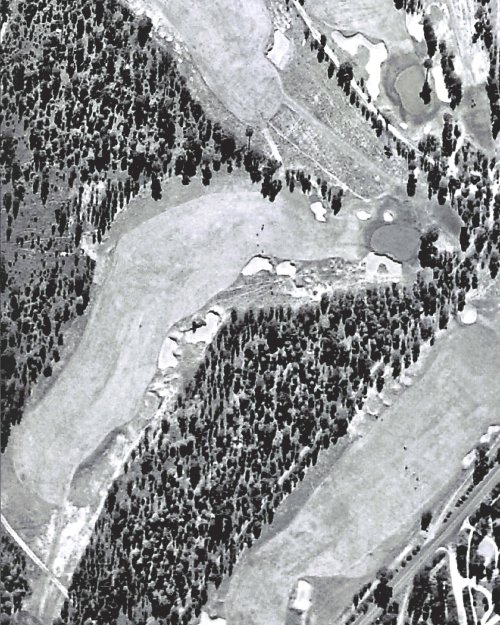
Joining John on the course walk is Danesha Carley, Professor of Horticultural Science at North Carolina State University, who was advisor on the 2010 restoration.
Prof. Carley said: “Golf courses can be ecologically rich, biodiverse areas. They can be places where endangered species live, support pollinator habitats and are wonderful places for resource use such as reclaimed water, which a lot of golf courses have moved to.”
Mark Birchmore, Global Head of Marketing, Turf & Landscape for Syngenta, said: “In many ways, Pinehurst is re-pioneering golf course sustainability.
“Blending innovation and new technology with an approach that learns from natural and historical precedents creates opportunities that, in the case of Pinehurst No.2, demonstrably delivers clear sustainability benefits.”
To watch all episodes of The Green Report and for more news, features, videos and case studies on sustainable golf, as well as links to the Changing the Business of Golf podcast, visit Syngenta Golf.