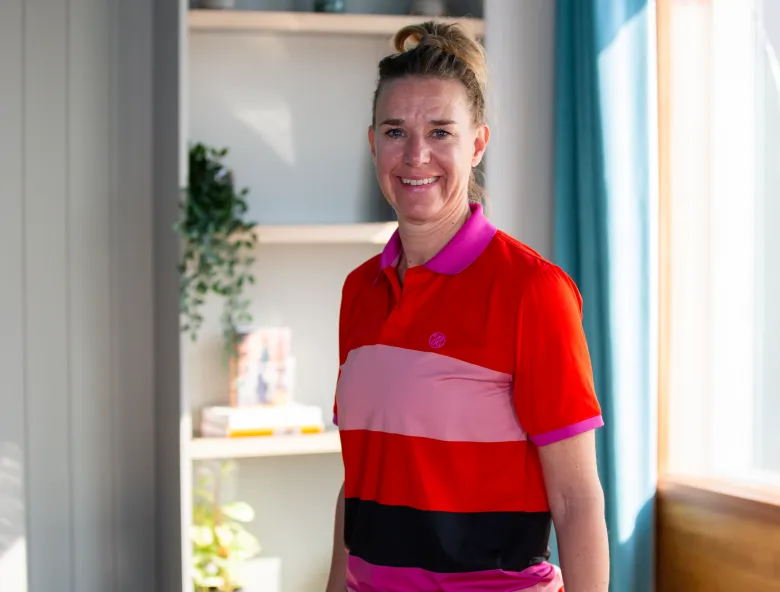
When Renate Roeleveld first picked up a golf club, she entered the sport and the industry at the same time.
Without a traditional golf background, she experienced the game through fresh eyes. Today, as CEO of the Golf Course Association Europe (GCAE) and a golf course owner herself, she joins the latest episode of the Changing the Business of Golf podcast to share the key shifts she believes will create a more inclusive, positive and profitable golf industry
1. Adapt to Changing Customers
Renate Roeleveld’s first change centres around one of the biggest challenges facing club leaders today: too many decisions are still made from the perspective of traditional golfers.
Whilst according to Roeleveld, the data — particularly in markets like the Netherlands — tells a different story:
- Shorter formats dominate: 75% of rounds are nine holes.
- Less emphasis on competition: Around half of golfers do not submit a handicap card.
- Younger participation is strong: The largest group of players sits between 18 and 34.
Clubs, she argues, must broaden their definition of who a golfer is. Whether they play nine holes socially once a month or compete every weekend, they should still be classed as a “golfer”.
These trends reflect a broader cultural shift. Remote working, changing leisure habits and a desire for more flexible experiences mean that rigid, full-membership models no longer suit every golfer.
Roeleveld says: “We don’t just offer a sport — we offer a connection between people.”
In that sense, golf club managers become more than operators. They become the glue that connects like-minded groups, or “tribes”, within their club ecosystem.
2. More Women in Leadership Positions
With women representing half the global population, the opportunity is substantial. Research referenced in the episode shows that companies with more diverse leadership teams are significantly more likely to outperform on profitability. Separate Syngenta research identifies a $35 billion opportunity linked to increasing female participation in golf.
In the Netherlands, nearly half of golf course managers are women — a statistic that challenges assumptions about what leadership in golf “looks like”.
For Roeleveld, diversity of thought leads to better decision-making. Different perspectives strengthen strategy and leaders who better understand female customers are more likely to create environments in which those customers thrive.
Her advice to women in leadership roles is practical: trust your instinct, and do not be afraid to introduce new ideas.
3. Change the Image of Golf
Despite significant evolution within the sport, golf’s image in the wider public consciousness often remains tied to outdated perceptions.
Yet the reality is more nuanced. Golf courses function as green lungs within urban environments. They provide biodiversity, open space and community. Participation among younger age groups is strong, and social media engagement around golf content continues to grow.
The issue, Roeleveld suggests, is not that golf hasn’t changed, but that it hasn’t told its story clearly enough.
Clubs and organisations must do more to:
- Communicate sustainability efforts
- Showcase social and community value
- Present golf as fun, accessible and welcoming
Watch the Full Conversation
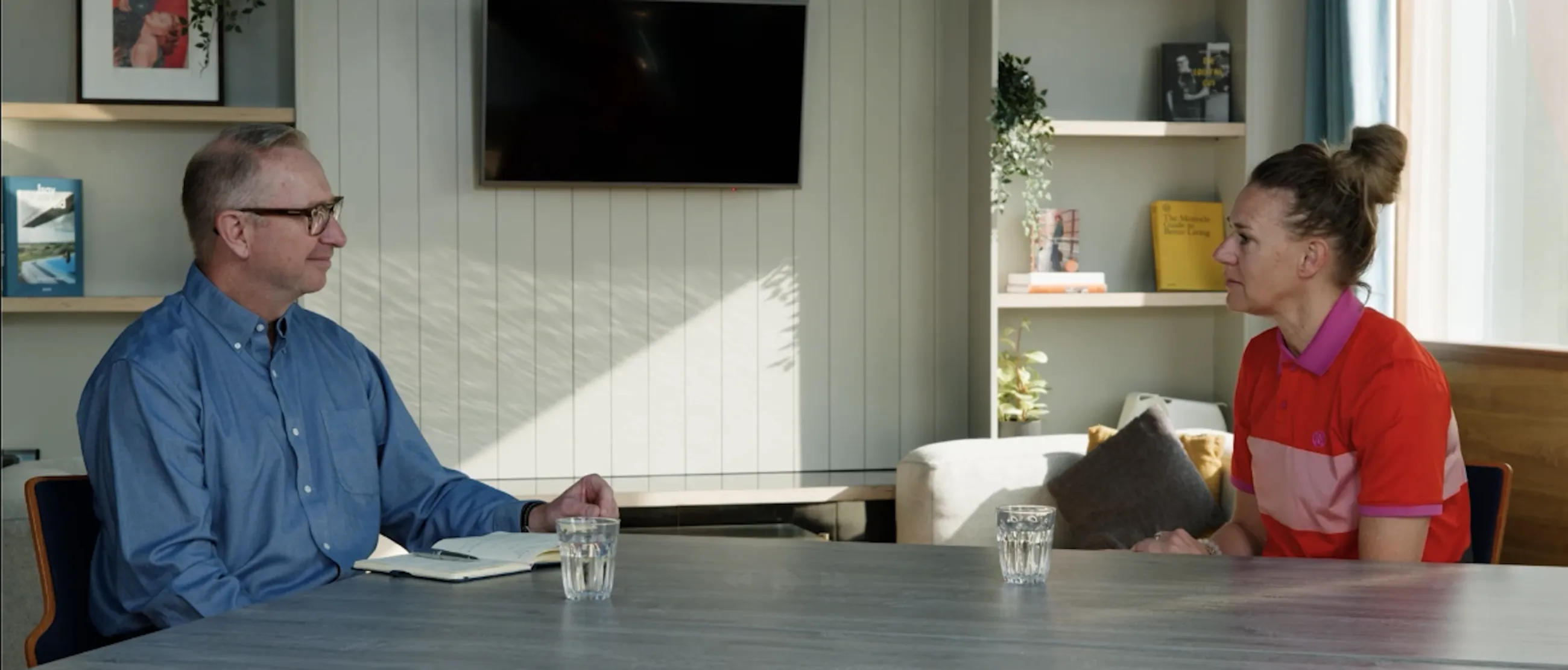
In this 30-minute episode of Changing the Business of Golf, Renate Roeleveld offers practical, experience-led insight into how golf can become more inclusive, more connected and more profitable.
For leaders looking to future-proof their clubs, it is a timely and necessary conversation.